
An online casino or sportsbook account is attractive to criminals for several reasons. It may hold a cash balance, it is linked to payment methods, and it can be used to launder money or abuse promotions. Account takeover (ATO), when someone other than the owner gains control, is therefore one of the most common threats the iGaming industry deals with.
How accounts are taken over
- Credential stuffing. Bots replay usernames and passwords leaked from other websites. Because many people reuse passwords, a small fraction of attempts succeed, and at scale that is a lot of accounts.
- Phishing. Fake login pages, often promoted with promises of free bets or bonuses, collect credentials and one-time codes.
- SIM swapping and social engineering. Attackers persuade a mobile operator or a support agent to move the victim's phone number or reset their email.
- Malware on the player's own device that steals saved passwords and session cookies.
Signals that something is wrong
Good detection looks at the whole session, not just the password check. Useful signals include a login from a new device and location followed quickly by a change of email, phone number or withdrawal method; many failed logins across many accounts from the same infrastructure; logins from data-centre IP ranges rather than consumer networks; and behaviour that does not match the account's history, such as a casual football bettor suddenly playing high-stakes casino games and asking for an immediate payout.
Defences
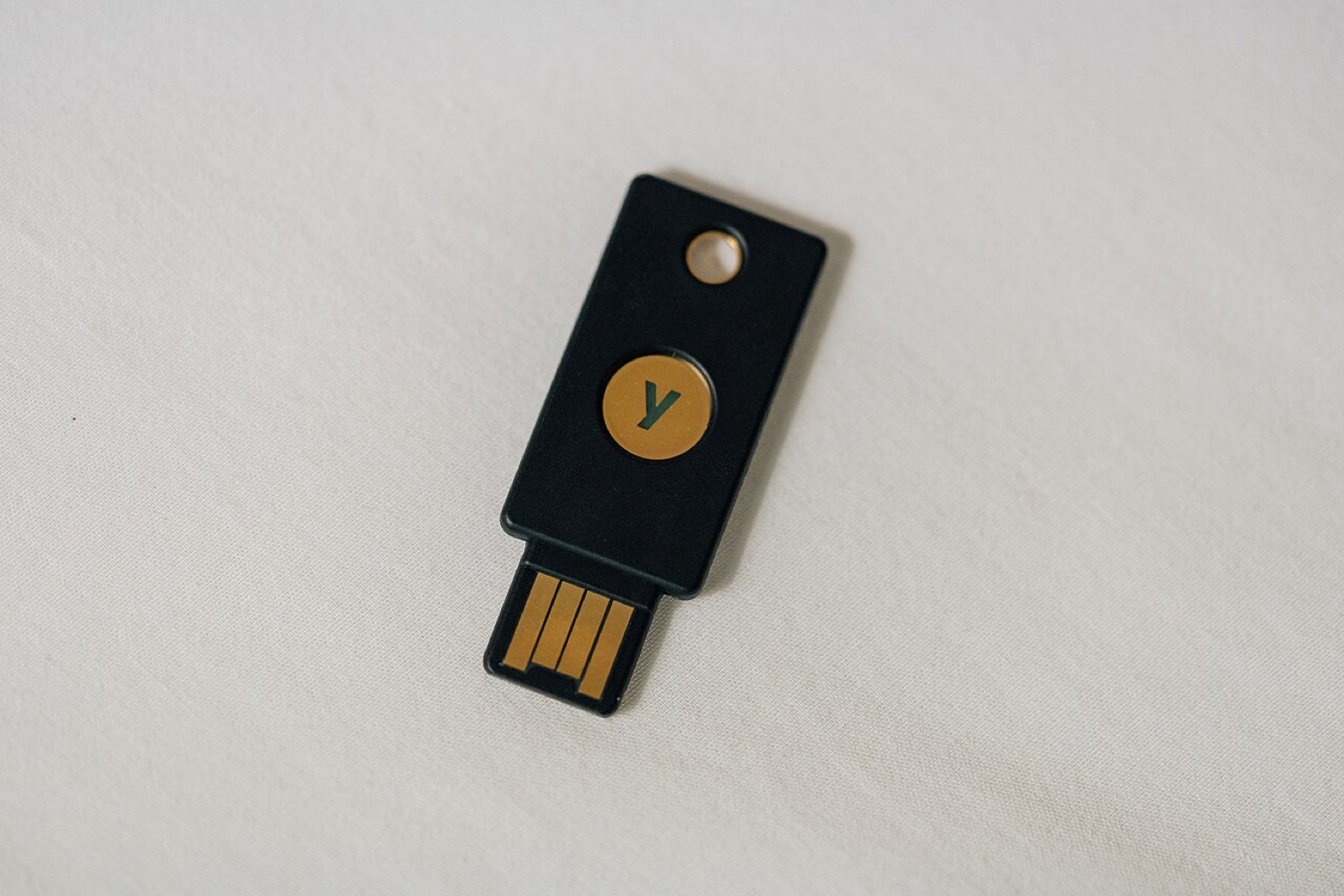
- Phishing-resistant authentication. Passkeys and hardware security keys stop most credential theft. App-based codes are a good step up from SMS.
- Breached-password checks at registration and login, rejecting passwords known to be in public leaks.
- Bot management on login and registration, with rate limits per account, per device and per network.
- Step-up verification before sensitive actions, such as changing payout details or withdrawing to a new method.
- Cooling-off periods after account changes, so a stolen account cannot be emptied within minutes.
- Clear notifications to the real owner by email and app whenever security settings change.
Help desks are part of the perimeter
Several high-profile incidents in the gaming industry began with a phone call to a support or IT help desk. Agents need a verification process that cannot be talked around, and the authority to say no. The same applies to player support: a convincing caller asking to "update" an email address should go through the same checks as anyone else.
Account takeover is rarely a single event. It is a chain: stolen password, login, change of details, withdrawal. Every link where the platform adds friction for the attacker, and as little as possible for the genuine player, makes the attack less profitable.