
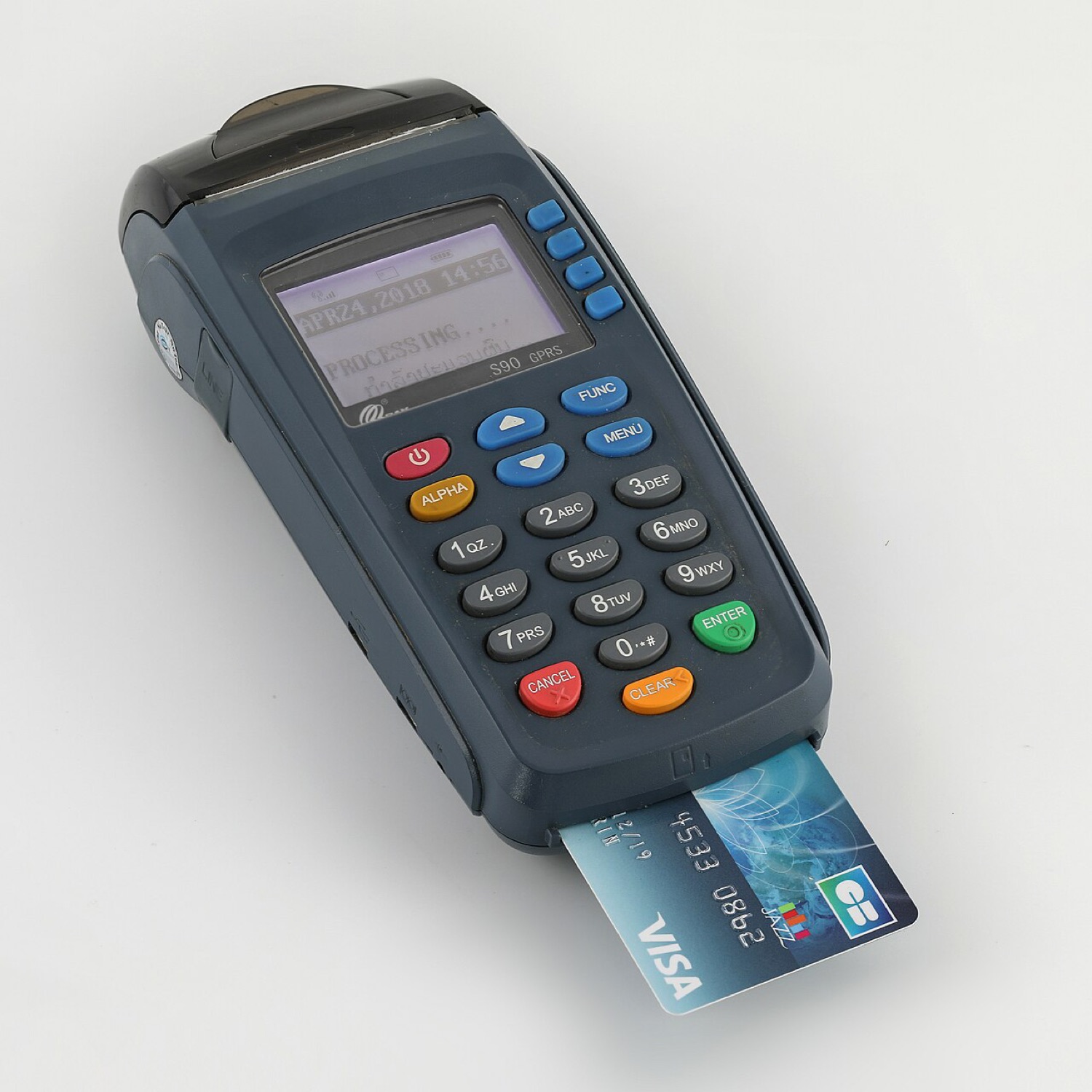
The cashier is the heart of any online casino or sportsbook. Deposits need to be fast and pleasant, withdrawals need to be quick enough to keep players happy, and both need to resist fraud, money laundering and theft. Getting that balance right is as much a security problem as a payments one.
Card data and the PCI DSS
Any business that stores, processes or transmits payment card data must comply with the Payment Card Industry Data Security Standard (PCI DSS). Version 4.0, published in 2022, brought stronger requirements for authentication, monitoring of payment page scripts and targeted risk analysis, with the remaining new requirements taking effect in 2025. The simplest way to reduce the burden is to keep card data out of your own systems altogether, using hosted payment fields and tokens from a payment provider, so a breach of your website does not expose card numbers.
Deposit fraud
- Stolen cards used to fund accounts, followed by an attempt to withdraw to a different method. Requiring withdrawals to go back to the original payment method where possible (a "closed loop") removes much of the profit.
- Friendly fraud, where a genuine cardholder deposits, loses and then disputes the transaction with their bank. Strong customer authentication, such as 3-D Secure, shifts liability and deters casual disputes.
- Card testing, where bots make many small deposits to check which stolen cards work. Velocity limits and bot detection on the cashier page catch it.
Withdrawal security
Withdrawals are where account takeover turns into real loss. Sensible controls include step-up authentication before a withdrawal to a new method, a short hold after any change to account details, alerts to the player on every payout request, and manual review of unusual amounts or patterns. Staff who can approve or adjust withdrawals should work under four-eyes rules, with every action logged.
Anti-money laundering
Gambling operators are obliged under anti-money laundering rules in most regulated markets to know their customers and to report suspicious activity. Typical warning signs include deposits with little or no play followed by a withdrawal, many small deposits from different sources, play that deliberately minimises risk (such as matched bets) and third parties funding an account. Good monitoring ties these signals to the same identity and device data used for fraud detection.
Protecting the payment back end
Behind the cashier sit integrations with payment service providers, banks and e-wallets, each with its own credentials and keys. Store those secrets in a vault, restrict which servers can reach the payment zone and watch for unexpected outbound connections. A honeytoken API key placed alongside the real configuration is a cheap way to learn quickly if someone has copied it.
Players judge an operator by how smoothly they get paid. Security that keeps withdrawals fast for genuine customers, while making them slow and risky for fraudsters, is a competitive advantage as much as a compliance duty.