
In December 2013, the US retailer Target disclosed that attackers had stolen payment card data during the busiest shopping weeks of the year. The breach eventually covered around 40 million card accounts and personal details of tens of millions of customers. More than a decade later, it is still one of the most instructive incidents in security, not because the attack was exotic, but because so much of it was visible.
How the attackers got in
According to reporting and later investigations, the intruders first stole credentials belonging to a heating and air-conditioning contractor that had access to a Target supplier portal. From there they worked their way into the corporate network and eventually to the point-of-sale systems in stores, where malware captured card data from memory as cards were swiped. The stolen data was collected on internal servers and sent out of the network.
The alerts that fired
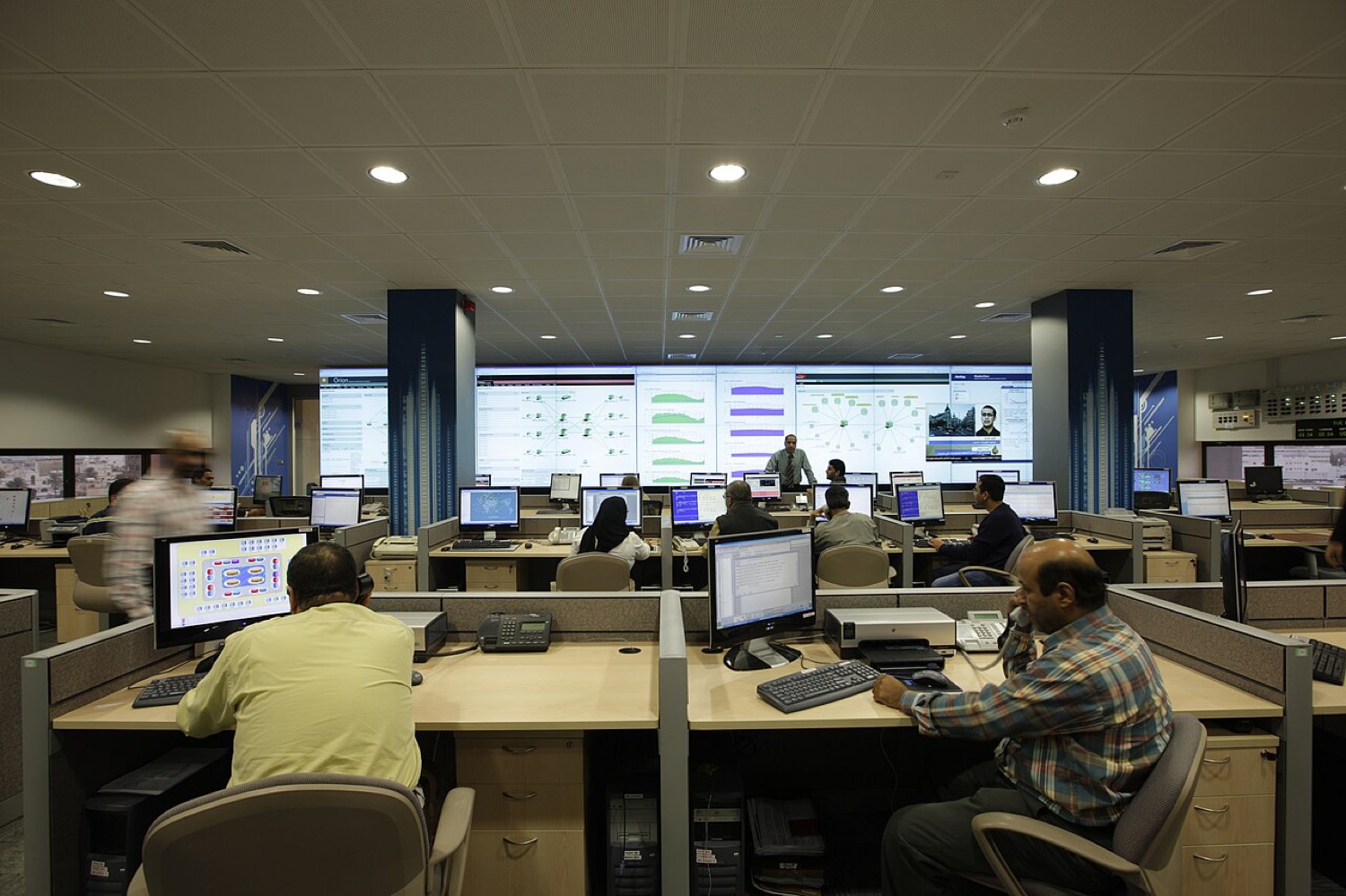
Target had invested in modern malware detection. Press investigations in 2014 reported that the system flagged suspicious activity while the attack was under way and that the security team monitoring it passed the warnings on, but the alerts were not acted upon in time. The company has not detailed every step, and hindsight makes any alert look obvious. Still, the pattern is familiar to anyone who has worked in a security operations centre: the warning existed, it competed with many others, and nobody had a strong enough reason to stop the business during the holiday rush.
Lessons that still apply
- Third-party access is part of your attack surface. Supplier accounts should reach only what they need, with strong authentication and monitoring.
- Segment payment systems. The path from a supplier portal to store tills should not exist.
- Fewer, better alerts. A tool that produces convincing alerts is only useful if a human trusts them enough to act. High-fidelity sources, such as decoys and honeytokens, help earn that trust.
- Pre-agreed authority. Decide in advance who can isolate a system during peak season, and under what evidence.
The casino aquarium story
A widely repeated anecdote from a security vendor describes attackers reaching a casino's network through an internet-connected thermometer in a lobby fish tank. Details have never been made public, so treat it as an illustration rather than a case study. Its message matches the Target breach: the weakest connected device, owned by a contractor or facilities team, can be the door to the most valuable data.
Retailers and gaming operators share the same peak-season pressure. Neither wants to shut down tills or betting during the busiest weekend of the year, which is exactly why attackers choose those moments. Clear playbooks and alerts you can trust are what make a fast, confident decision possible.