
The traditional corporate network was built like a castle: a strong wall at the edge and freedom of movement inside. That model assumed attackers stay outside. Decades of breaches show they do not. Zero trust is the name for the opposite assumption: no user, device or network location is trusted by default, and every access request is checked on its own merits.
Where the idea comes from
The term was popularised around 2010 by an analyst at Forrester Research. Google's BeyondCorp project, described publicly from 2014, showed that a large company could let employees work without a privileged internal network at all. In 2020 the US National Institute of Standards and Technology published Special Publication 800-207, which gives a vendor-neutral description of zero trust architecture and is a good starting point for anyone planning a programme.
The practical core
- Strong identity. Every user and service authenticates, preferably with phishing-resistant multi-factor methods such as security keys or passkeys.
- Device health. Access decisions consider whether the device is managed, patched and free of known compromise.
- Least privilege. People and services get access to specific applications, not to whole network ranges.
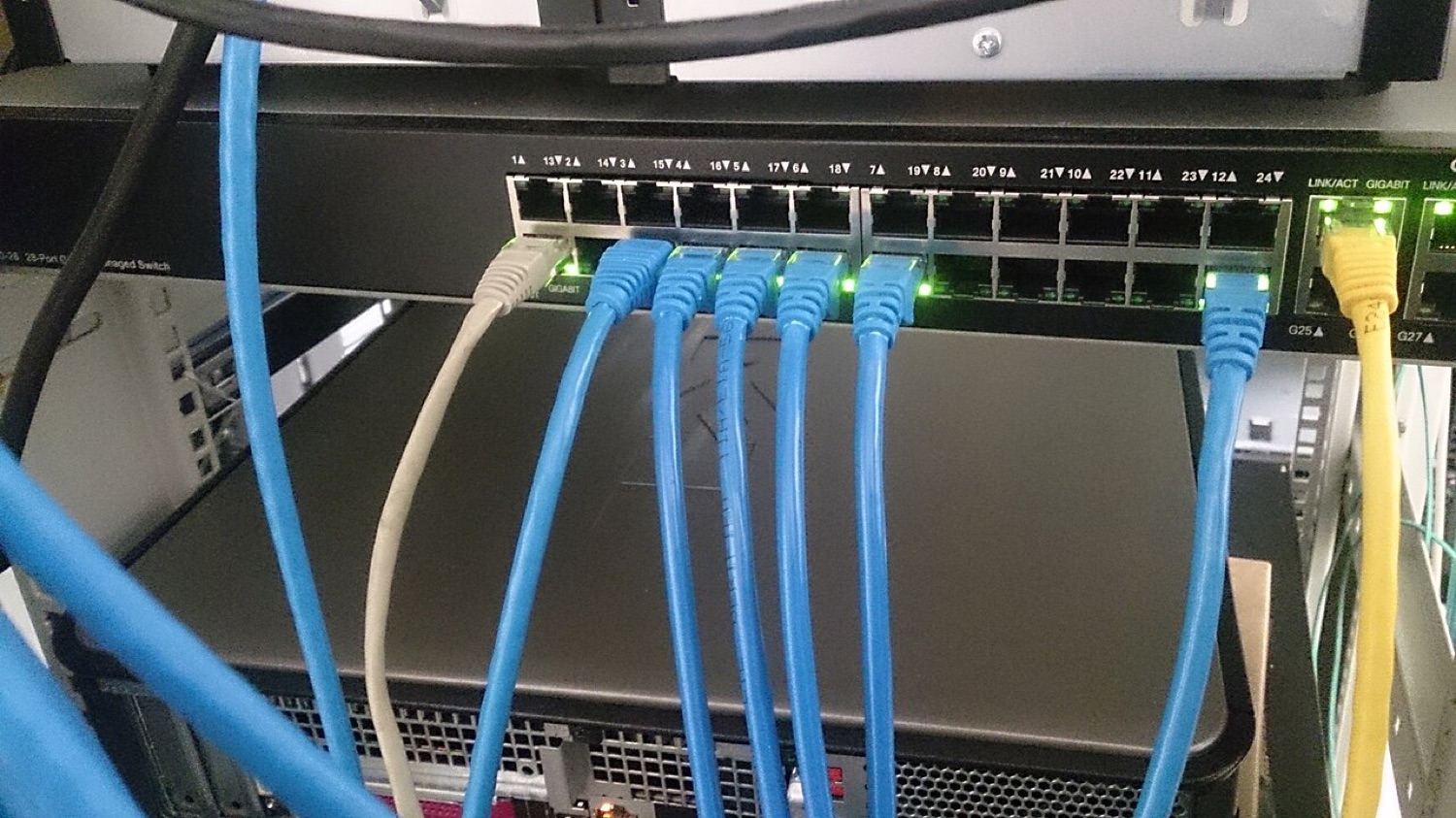
- Segmentation. Systems are grouped by function and sensitivity, and traffic between groups is allowed only where needed.
- Continuous monitoring. Decisions are logged and revisited as conditions change.
Segmentation without a big bang
Few organisations can redesign their network in one go. A practical path is to start with the crown jewels: payment systems, identity infrastructure, backups and production databases. Put each behind its own boundary, document what legitimately needs to reach it, and alert on everything else. Then work outwards. Flow logs from a few weeks of normal operation are usually enough to draft the first rules.
Segmentation and deception together
Segments create natural tripwires. If a decoy server sits in the payment zone and something from the office network tries to reach it, that one event tells you two things at once: a boundary has been crossed and someone is exploring. This pairing of segmentation and deception gives small teams strong detection without a large analytics budget.
Online gambling businesses are a good example of why this matters. A typical operator runs player-facing websites, game servers supplied by third parties, payment and withdrawal systems, customer support tools and affiliate portals, often across several jurisdictions. Treating each as its own zone, with explicit rules between them, keeps an incident in the affiliate portal from becoming an incident in the cashier.